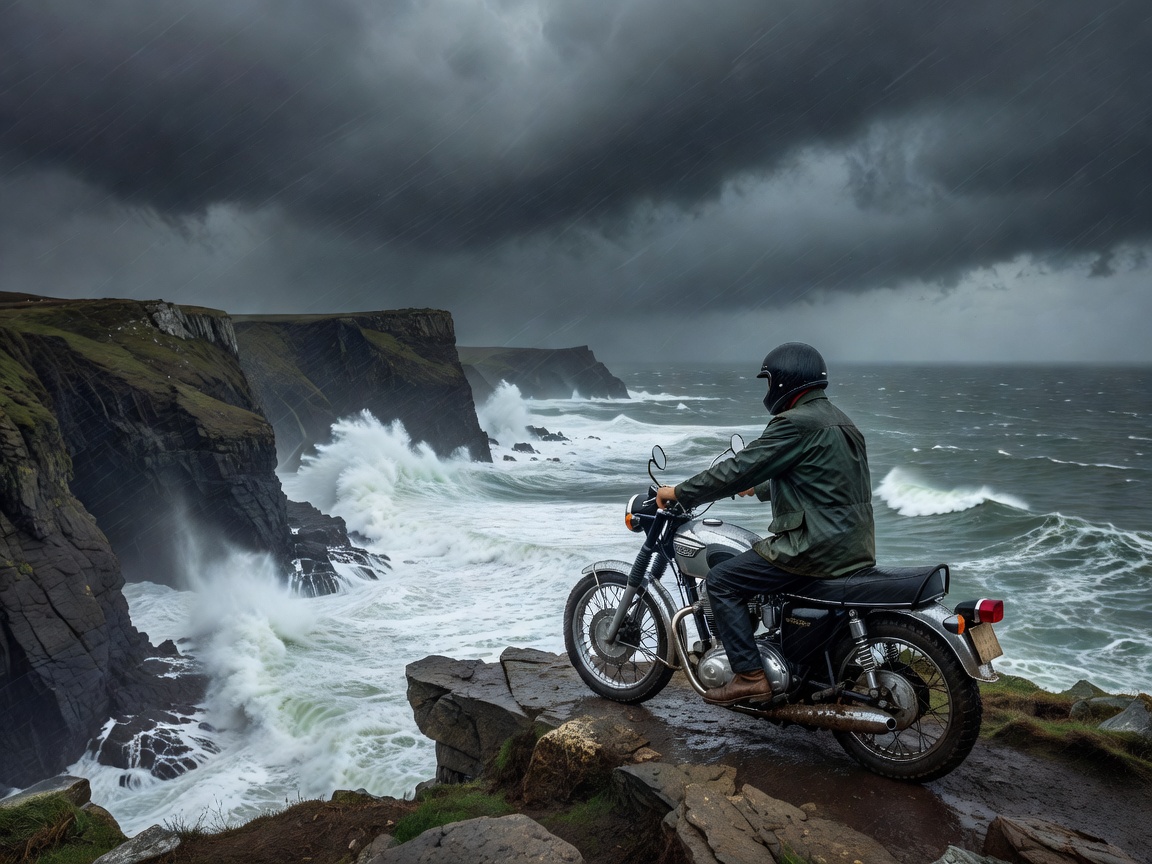
Stretching from the Inishowen Peninsula in the north down to the picturesque town of Kinsale in the south, the Wild Atlantic Way is one of the longest defined coastal routes in the world. It is an epic undertaking for any adventure motorcyclist, offering a relentless barrage of sea cliffs, windswept moors, and tiny stone-walled tracks.
The Route Breakdown
Riding the entire 1,553-mile (2,500 km) length requires commitment. You are essentially tracing the frayed edges of the European continent. The route is meticulously signposted, but navigation is still part of the adventure because the official route dives into countless peninsulas and headlands.
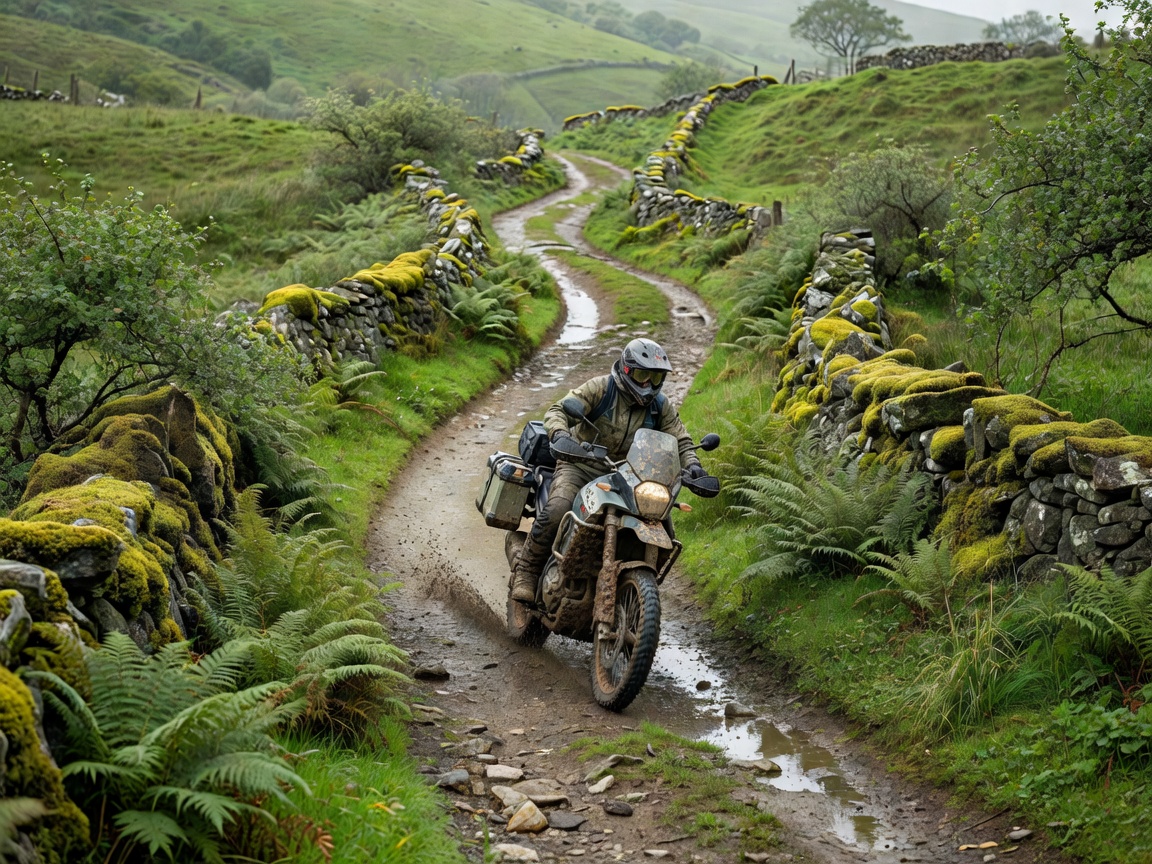
The tarmac varies wildly. You will transition from fast, well-paved national roads to tight, bumpy regional asphalt ("boreens") that have grass growing up the center. Potholes can be deep, and the road camber often drops off dramatically towards the edges. A motorcycle with plush, compliant suspension is a massive advantage here.
Off-Road and Gravel Tracks
While the signposted Wild Atlantic Way is a road route, the west coast of Ireland is deeply rural. Adventure riders can find numerous unpaved tracks leading down to secluded beaches or cutting across peat bogs.
Look for "green roads"—historical famine trails and unpaved rights-of-way in areas like Connemara and the Burren. These paths are often a mix of loose shale, dirt, and bedrock. They can become intensely slippery when wet. Ground clearance and a solid bash plate are necessary if you choose to explore these rougher detours, as jagged limestone is common.
Riding Conditions
Ireland's weather is governed by the Atlantic Ocean. Prepare to ride in the rain, regardless of the month.
- Wind: Crosswinds on exposed cliffs (like the Cliffs of Moher or Slieve League) can be violent. Be prepared to lean the bike simply to ride in a straight line.
- Road Surfaces: Mud dragged out by farm machinery is a constant hazard, especially in the blind corners of single-track roads.
- Pacing: Do not calculate your daily mileage based on highway speeds. Averaging 30-40 mph is realistic given the tight corners, narrow roads, and necessary photo stops.
The Highlights
- Unending, dramatic coastal scenery.
- Incredible pub culture and hospitality at the end of each day.
- Endless narrow "boreen" side roads to explore.
- Very low traffic on the more remote peninsulas.
The Challenges
- Relentless rain and high winds are almost guaranteed.
- Very slow average speeds require long days in the saddle.
- Farm debris and livestock frequently block blind corners.
- Requires significant time off work to complete fully.
When to Attempt
May and June are typically the driest months, though "dry" is a relative term in Ireland. September is also a strong choice, offering slightly calmer weather patterns before the harsh autumn gales begin. Winter riding is possible but generally discouraged due to short daylight hours and the risk of black ice.