Iceland’s Route 1, the Ring Road, is arguably the most visually surreal motorcycle trip accessible in the northern hemisphere. Circumnavigating the island takes you past active volcanoes, massive glaciers, cascading waterfalls, and black sand deserts. For an adventure motorcyclist, it represents the ultimate blend of accessible pavement and hard-core unpaved exploration.
The Paved Perimeter
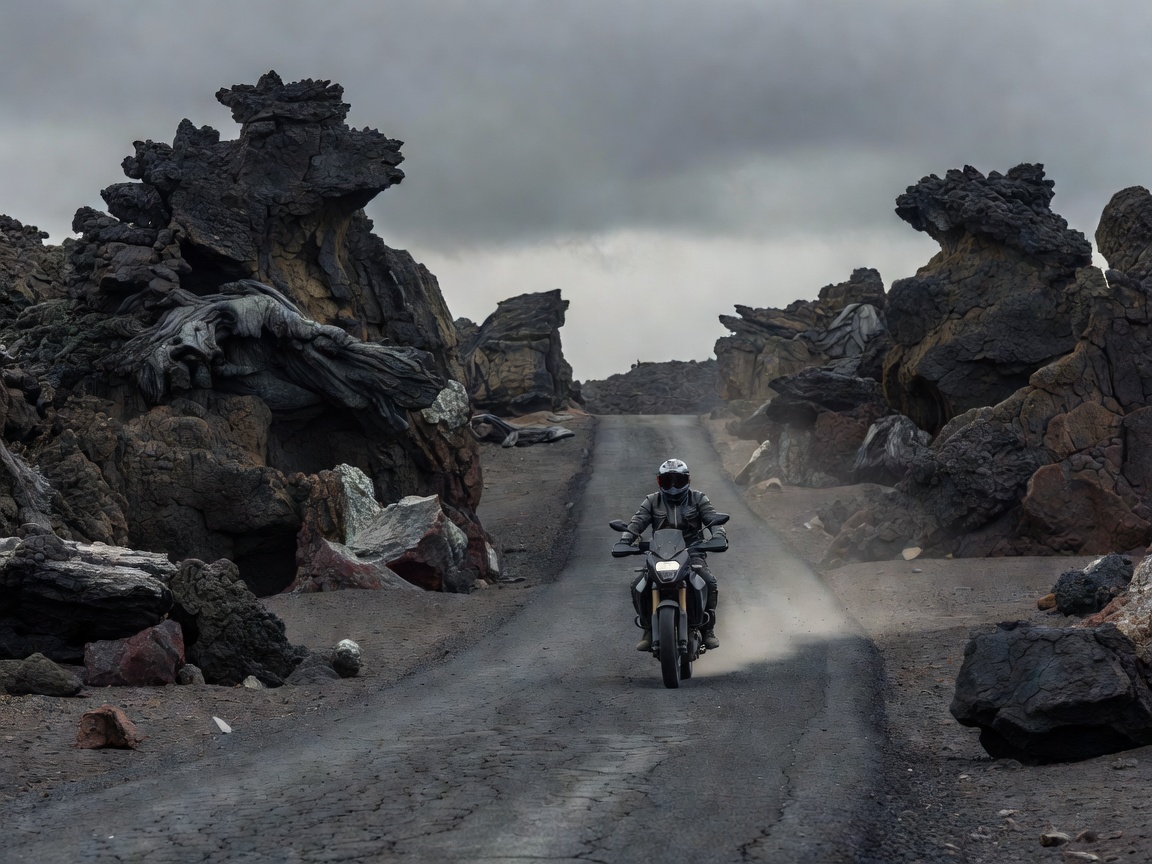
The primary Ring Road is 828 miles (1,332 km) and is almost entirely paved, barring a few small, ever-dwindling gravel sections in the east. The speed limit is relatively low (typically 90 km/h or 55 mph), which suits the environment well; the crosswinds sweeping off the ice caps can be terrifyingly strong.
Staying exclusively on Route 1 is easily done on any touring motorcycle, but to do so is to miss the true adventure of Iceland. The magic happens when you turn off the main ring onto the country's vast network of dirt roads.
F-Roads: The Unpaved Interior
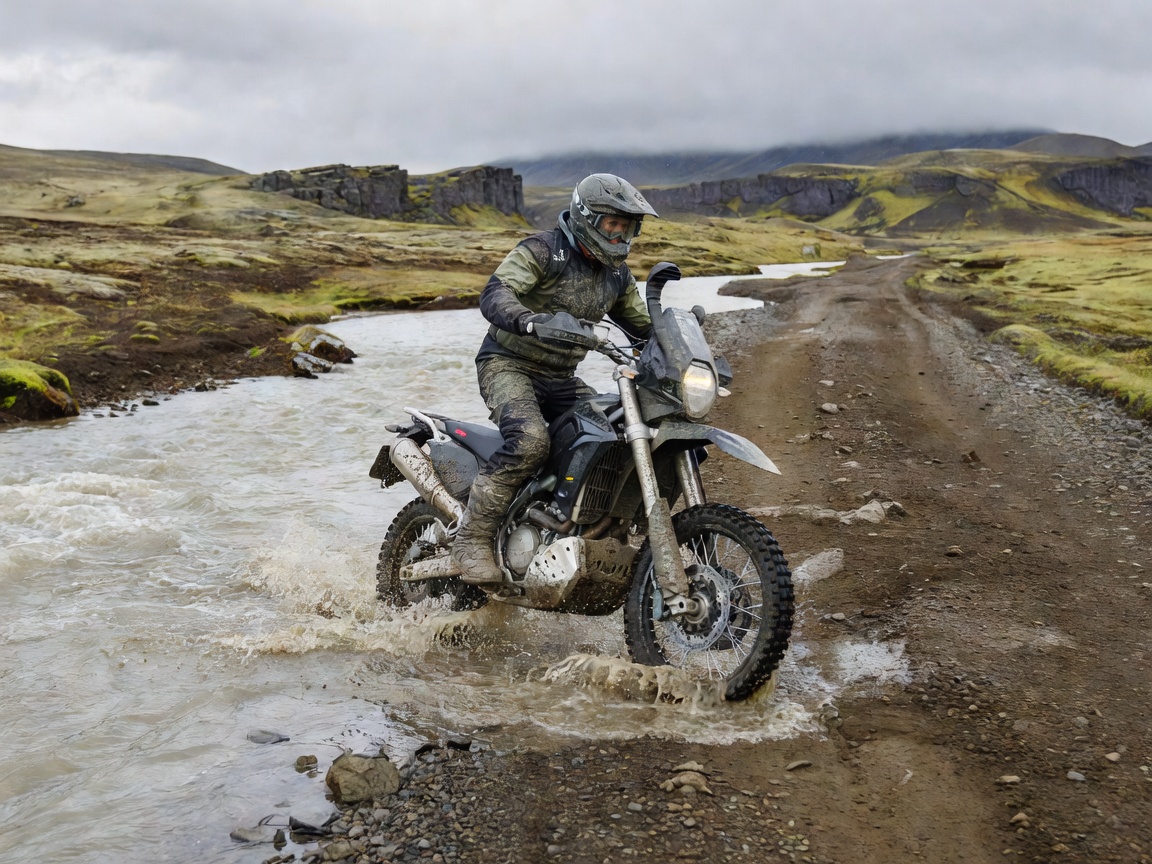
Iceland’s interior highlands are accessed via "F-roads" (Fjallvegir). These are unpaved, unmaintained tracks that cut through the desolate, lunar-like center of the island.
Riding F-roads requires a capable adventure motorcycle, minimum 50/50 tires (knobbies like TKC80s are strongly preferred), and the ability to execute deep water crossings. There are no bridges over many glacial rivers, and the water levels fluctuate drastically depending on the time of day and recent rainfall. The water is freezing, the riverbeds are made of loose, shifting bowling-ball-sized rocks, and dropping your bike here has serious consequences. Never cross a major river alone if you can avoid it.
Preparation and Survival
Iceland is fiercely expensive and incredibly remote once you leave the capital, Reykjavik. Preparation must be exhaustive.
- Wind & Cold: Even in mid-summer, temperatures can hover near freezing. Heated grips are mandatory. A heated jacket liner is highly recommended. The wind can easily blow a parked motorcycle off its side-stand.
- Fuel Management: On Route 1, fuel is generally available every 50-70 miles. If you venture onto the F-roads, you must carry spare fuel. There are zero services in the highland interior.
- Tire Repair: Sharp volcanic rock destroys tires. Bring a heavy-duty plug kit, spare tubes (if your bike uses them), a compressor, and the tools necessary to remove your wheels in the dirt.
The Highlights
- Alien, breathtaking volcanic landscapes.
- The ultimate test of adventure riding on the interior F-roads.
- 24-hour daylight in the peak of summer.
- Geothermal hot springs to soak in after a cold ride.
The Challenges
- Extremely high costs for fuel, food, and lodging.
- Fierce, unpredictable weather and gale-force winds.
- Hazardous, deep glacial river crossings.
- Tough logistics to ship or rent a motorcycle locally.
When to Ride
The riding window is incredibly short. Mid-June to late August is the only viable time. The F-roads do not officially open until the snow melts, which is often late June. By September, the snow returns, and the interior routes are gated and locked for the winter.