Carved into the northern tip of Cape Breton Island, the Cabot Trail is widely considered one of North America's premier motorcycle roads. It loops around the rugged coastline, ascending through the Cape Breton Highlands National Park. For the adventure rider looking for flowing, well-maintained pavement with access to deeper wilderness trails, this route is a must-ride.
The Route Breakdown
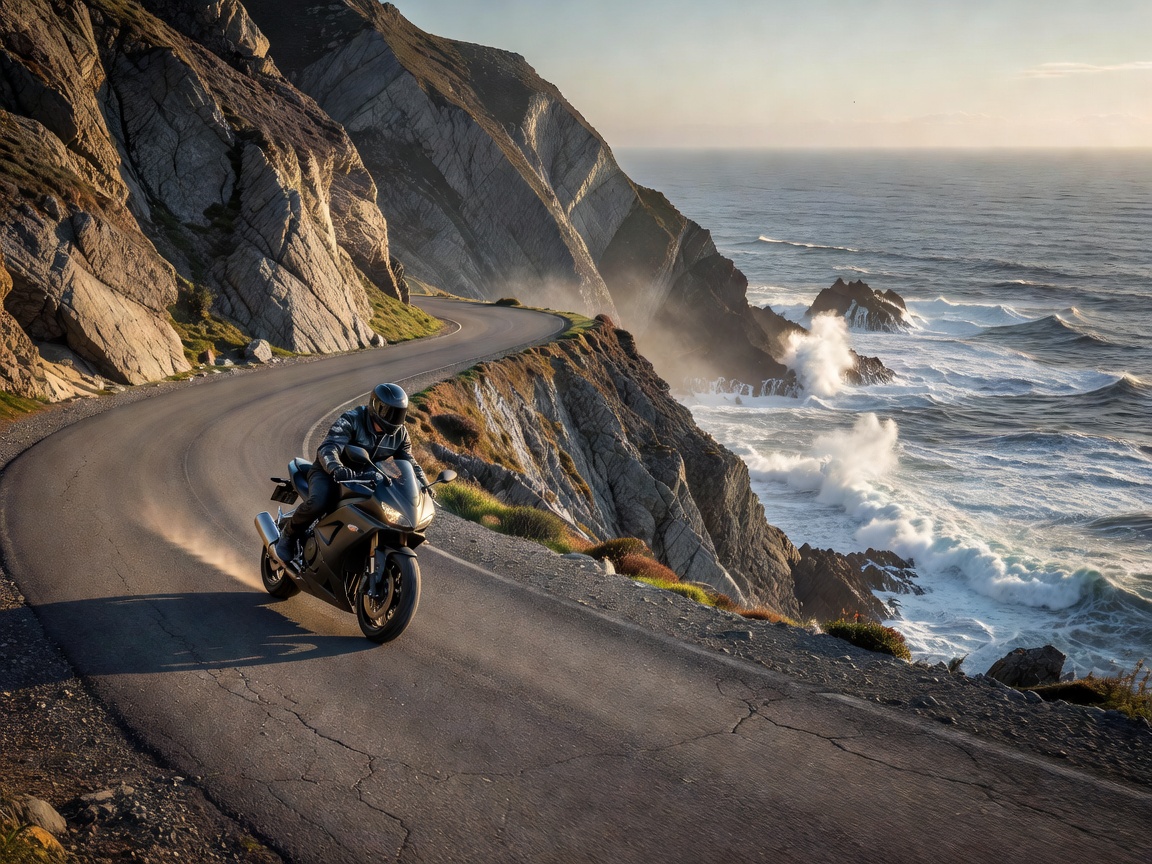
The 185-mile (298 km) loop can be ridden clockwise or counter-clockwise. Local consensus among riders leans toward riding counter-clockwise. This puts you on the outside lane, closest to the ocean, providing unobstructed views of the Gulf of St. Lawrence and the dramatic cliff drops.
The road quality is generally excellent, featuring wide, sweeping curves rather than tight, technical hairpins. It allows you to settle into a rhythm, leaning the bike over predictably. Elevations rise and fall sharply around French Mountain and North Mountain, challenging your gearbox and providing thrilling descents.
Where's the Dirt?
While the main Cabot Trail is completely paved, adventure bike riders can find plenty of unpaved diversions. Cape Breton is interlaced with old logging roads and utility trails.
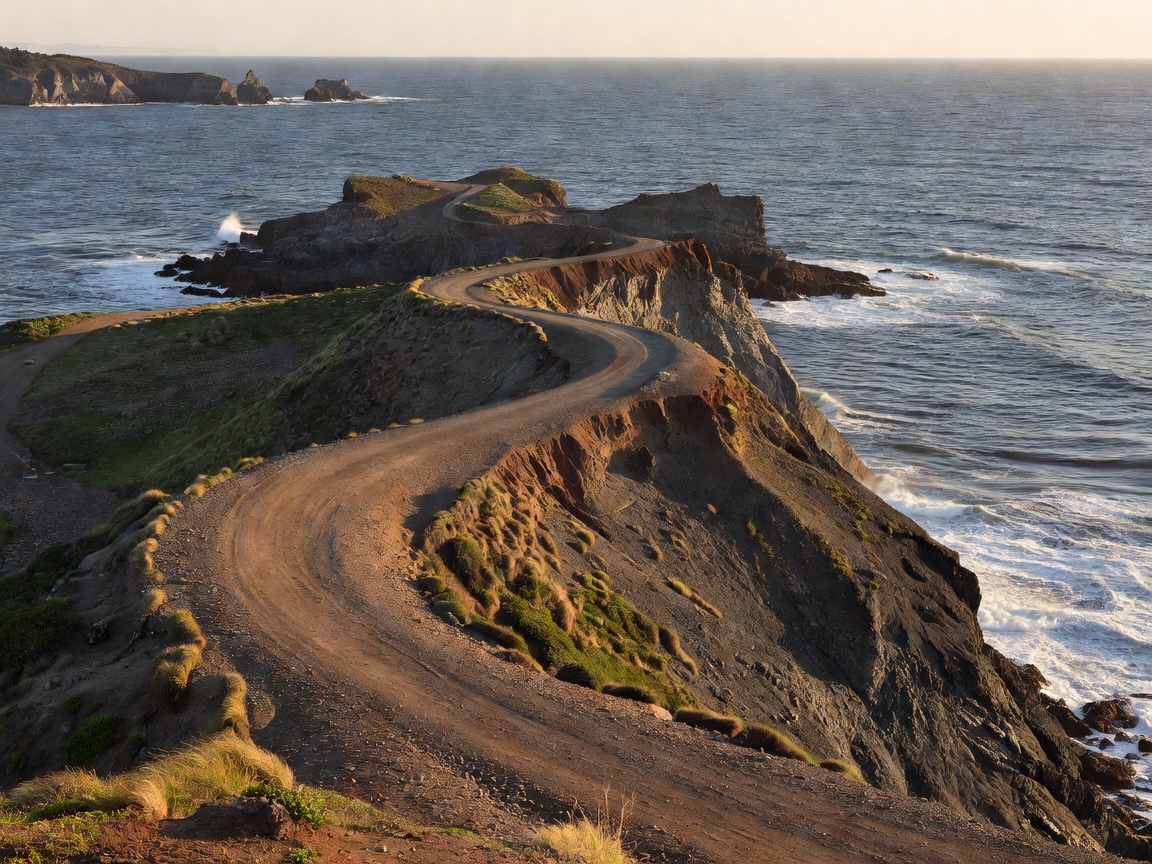
The most notable excursion is the dirt track leading to Meat Cove, the most northerly settlement in Nova Scotia. The last 5 miles of this spur are unpaved, winding along steep cliffs overlooking the ocean. It is hard-packed dirt that is manageable on a heavy ADV bike, but it can become heavily rutted and muddy after a maritime storm. Reaching the end rewards you with spectacular isolation and arguably the best wilderness camping on the island.
Rider Necessities
Despite its popularity, the Cabot Trail runs through remote territory. Services are clustered in specific villages like Chéticamp and Ingonish.
- Moose Hazard: The Cape Breton Highlands have a high moose population. These massive animals frequently cross the road, particularly at dawn and dusk. Riding after sunset is strongly discouraged.
- Fuel: There are sufficient fuel stops along the route, but do not pass a station if you are below a quarter tank. After-hours fuel can be impossible to find.
- Layers: Atlantic coastal weather is notoriously fickle. Pack high-quality rain gear and thermal base layers, even in the height of summer.
The Highlights
- Flawless, sweeping asphalt curves.
- Spectacular ocean-to-mountain transitions.
- The thrilling unpaved detour to Meat Cove.
- Excellent seafood and Celtic culture.
The Challenges
- Dense fog can roll in and obscure visibility.
- Significant risk of wildlife collisions.
- Heavy RV traffic during summer months.
- Accommodation books up months in advance.
Best Time to Go
Late September to mid-October is the undisputed best time to ride the Cabot Trail. The Celtic Colors International Festival takes place, and the autumn foliage turning the highlands into a sea of red, orange, and gold is spectacular. Summer is warmer but much more crowded with slow-moving tourist traffic.