Built as a strategic military route in the 1970s, the Transfăgărășan (DN7C) snakes its way through the Făgăraș Mountains, the highest peaks in Romania. For adventure riders traversing Eastern Europe, this pass is more than just a transit route; it is a ribbon of asphalt draped over some of the most dramatic topography on the continent.
The Route Breakdown
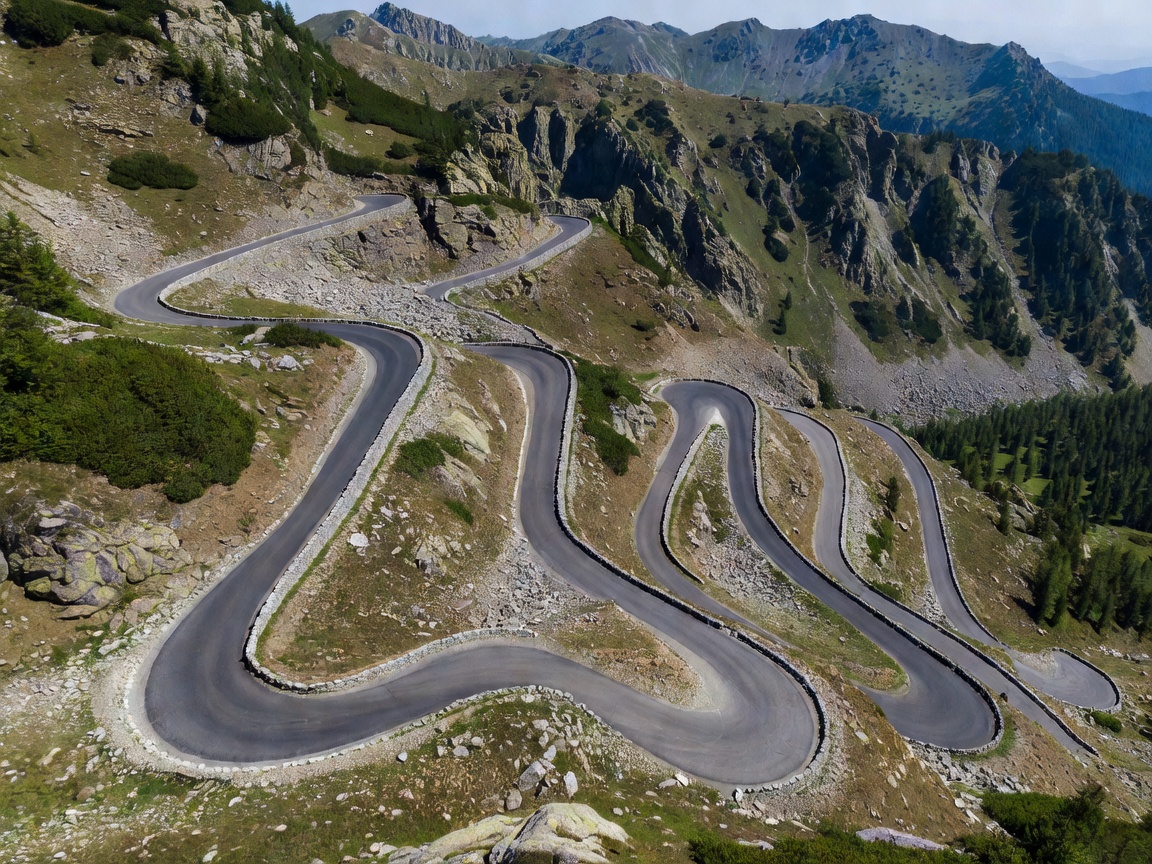
The pass itself stretches roughly 56 miles (90 km), climbing to an altitude of 6,699 feet (2,042 meters) near Bâlea Lake. The northern approach is universally regarded as the most visually spectacular. Here, the road unfurls in a series of dramatic, stacked hairpins and long, sweeping galleries.
The road surface is entirely paved, but it is far from race-track smooth. Riders will encounter frost heaves, sudden potholes, and occasionally gravel washed across the apex of corners from rainstorms. An adventure motorcycle with long-travel suspension is the perfect tool here, absorbing the imperfections that would pummel a sportbike rider.
Off-Road Access & Side Trails
While the Transfăgărășan itself is fully paved, the surrounding Carpathian region offers a playground for riders seeking unpaved trails. South of the pass, towards the Vidraru Dam, several dirt logging roads diverge from the main highway.
A notable off-road alternative in the broader area is the Strategica, a high-altitude dirt track accessible near the Transalpina (the Transfăgărășan's sister pass to the west). For those mixing paved alpine passes with light ADV tracks, combining the Transfăgărășan with dirt loops around the Transalpina is a popular multi-day itinerary.
Wildlife and Hazards
One of the most unique—and dangerous—aspects of riding the Transfăgărășan is the local wildlife. The Carpathian Mountains are home to Europe's largest population of brown bears. It is incredibly common to see bears sitting on the side of the road or even wandering across the tarmac. Under no circumstances should you stop to feed or approach them. On a motorcycle, you are highly exposed; maintain a safe speed and keep moving.
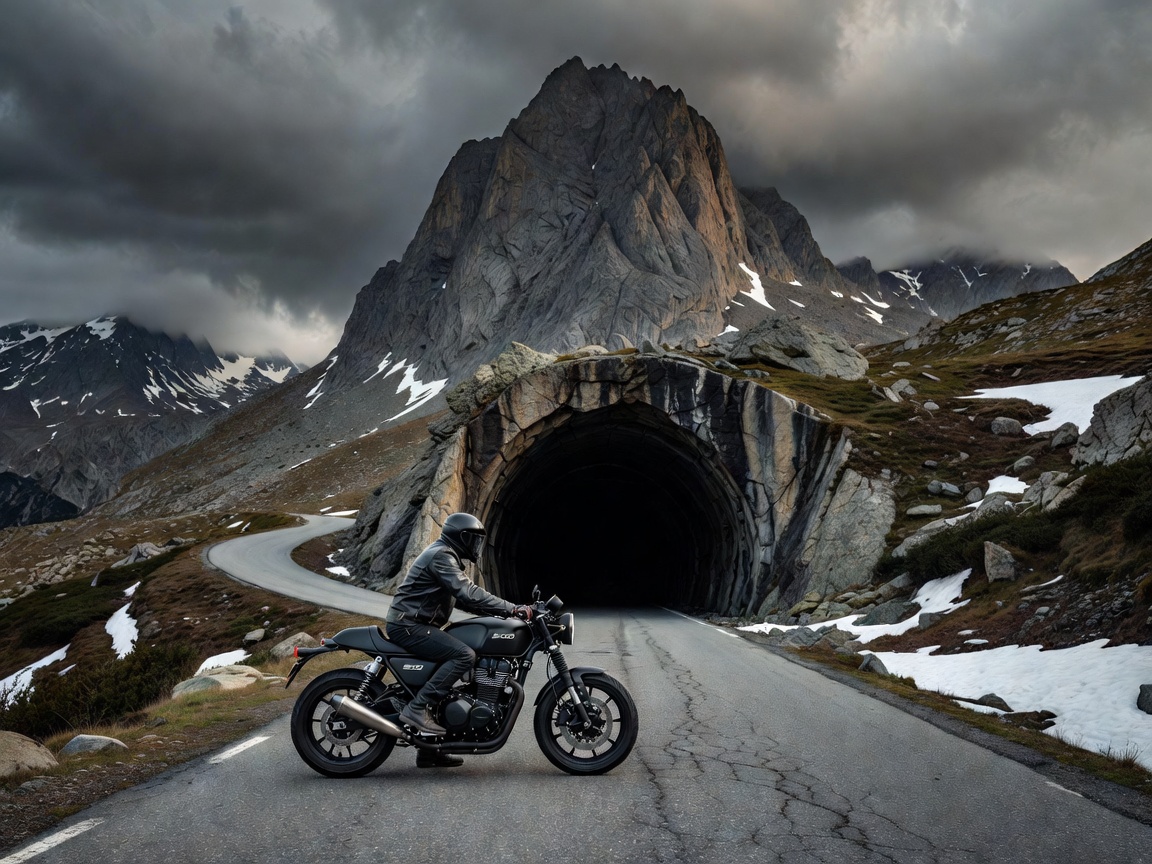
Additionally, the Bâlea Tunnel at the summit is over half a mile long, completely unlit, and often slick with water. Ensure your visor is clear and your headlights are functioning perfectly before entering.
The Highlights
- World-class cornering and switchbacks.
- Stunning, dramatic valley views.
- Accessible nearby dirt logging roads.
- Highly affordable local food and lodging.
The Challenges
- Only open a few months a year (July to October).
- Can be very crowded on summer weekends.
- Variable road surface quality.
- Free-roaming bears pose a genuine hazard.
Planning Your Run
The pass is traditionally closed from late October until late June due to heavy snowfall. Timing your ride is critical. To avoid the massive lines of tourist cars and campervans, aim to ride the pass on a Tuesday or Wednesday in early September. Start your ascent at sunrise to enjoy the northern hairpins entirely to yourself.